
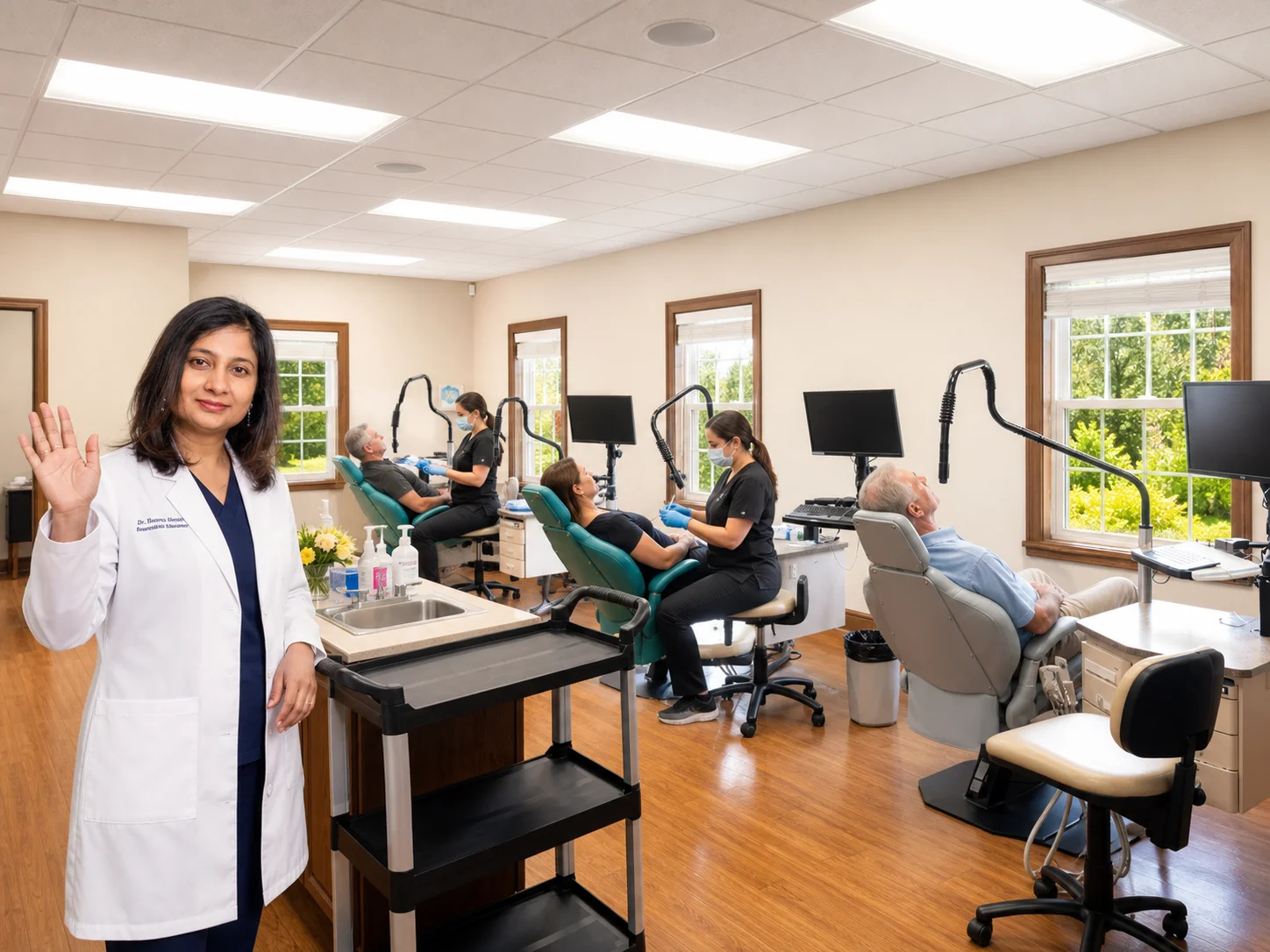
Welcome to
Perio Bright Dental Implant Center!


%201.svg)


.svg)

Location & Hours

Our Services
Non-Surgical Periodontal Therapy
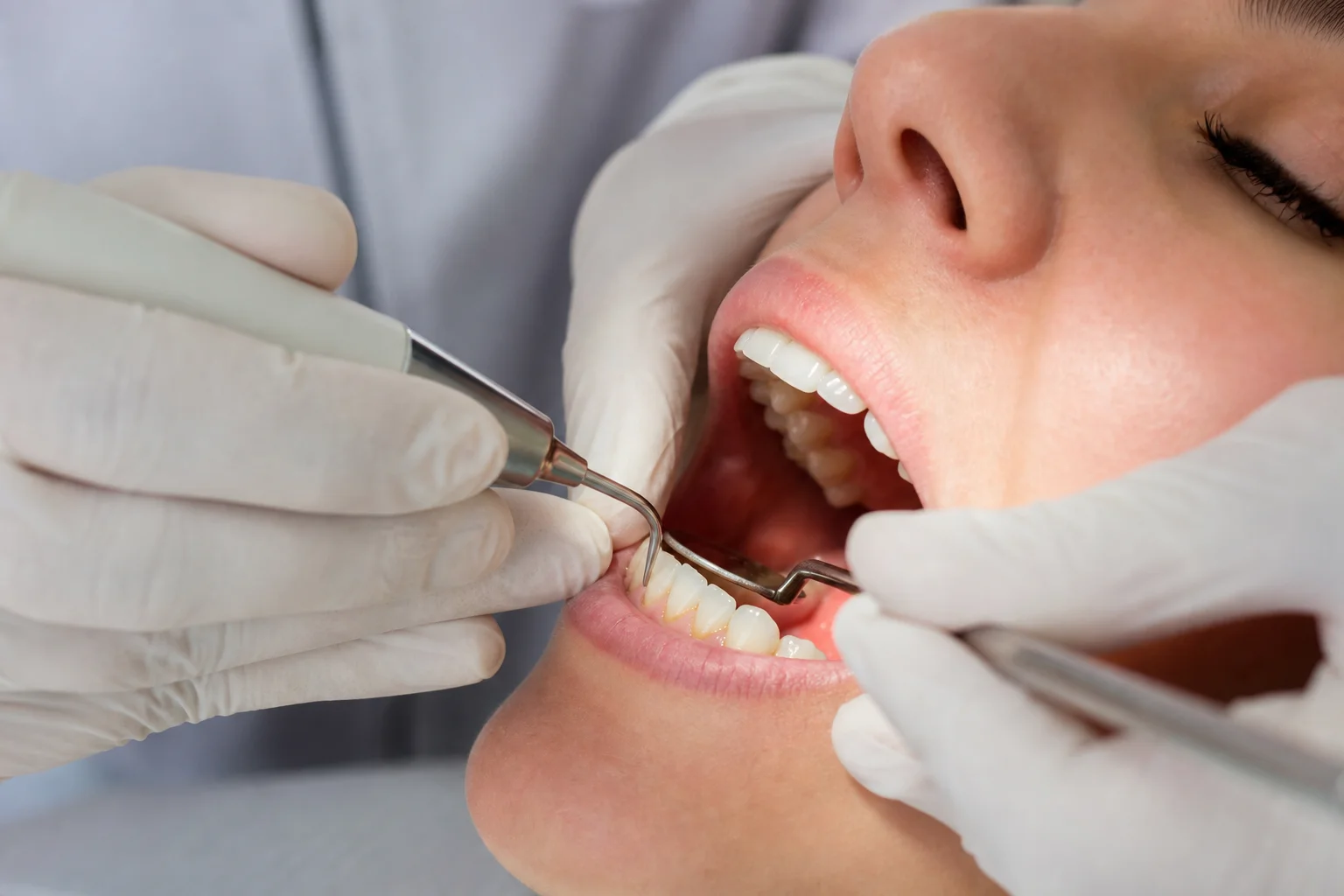
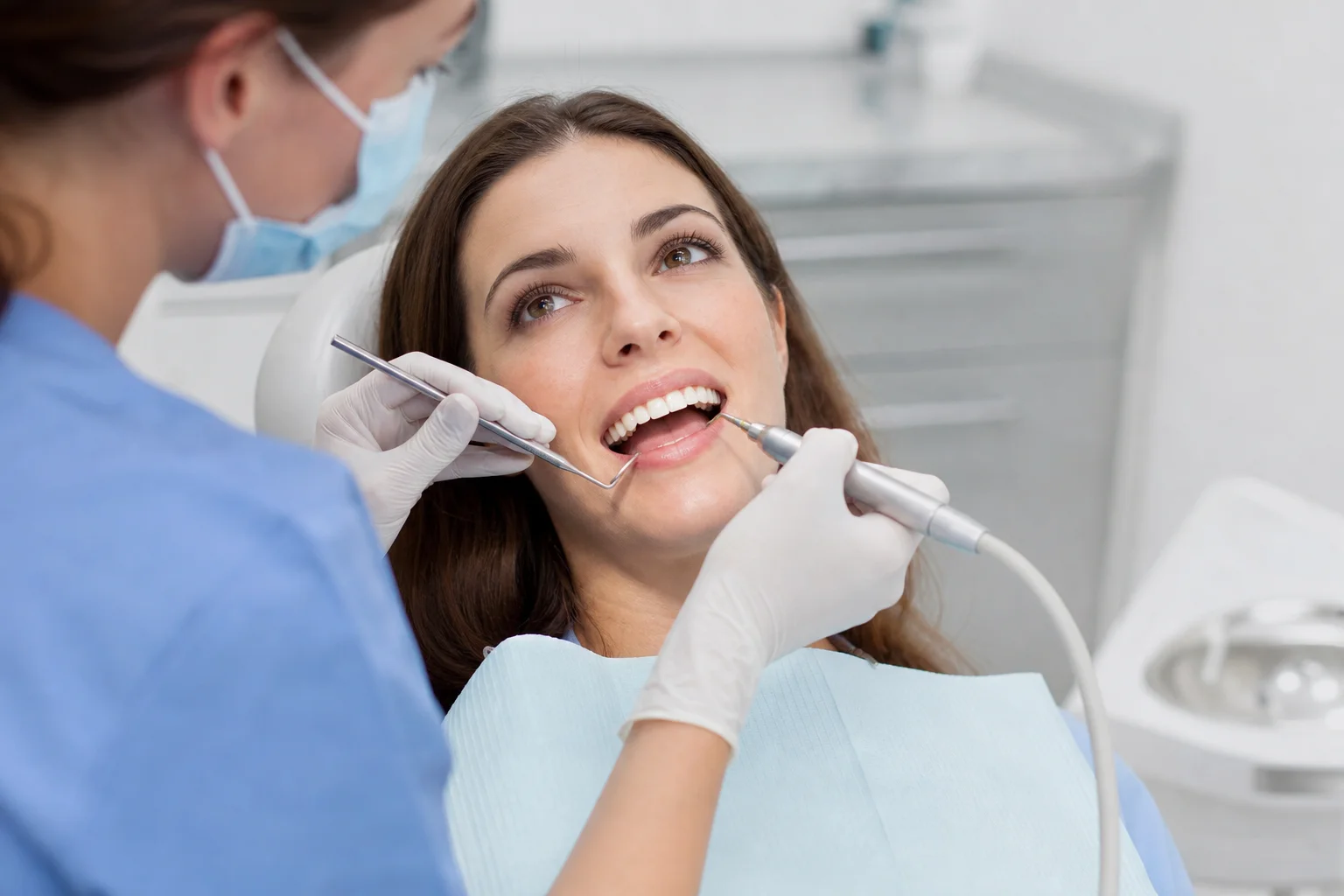
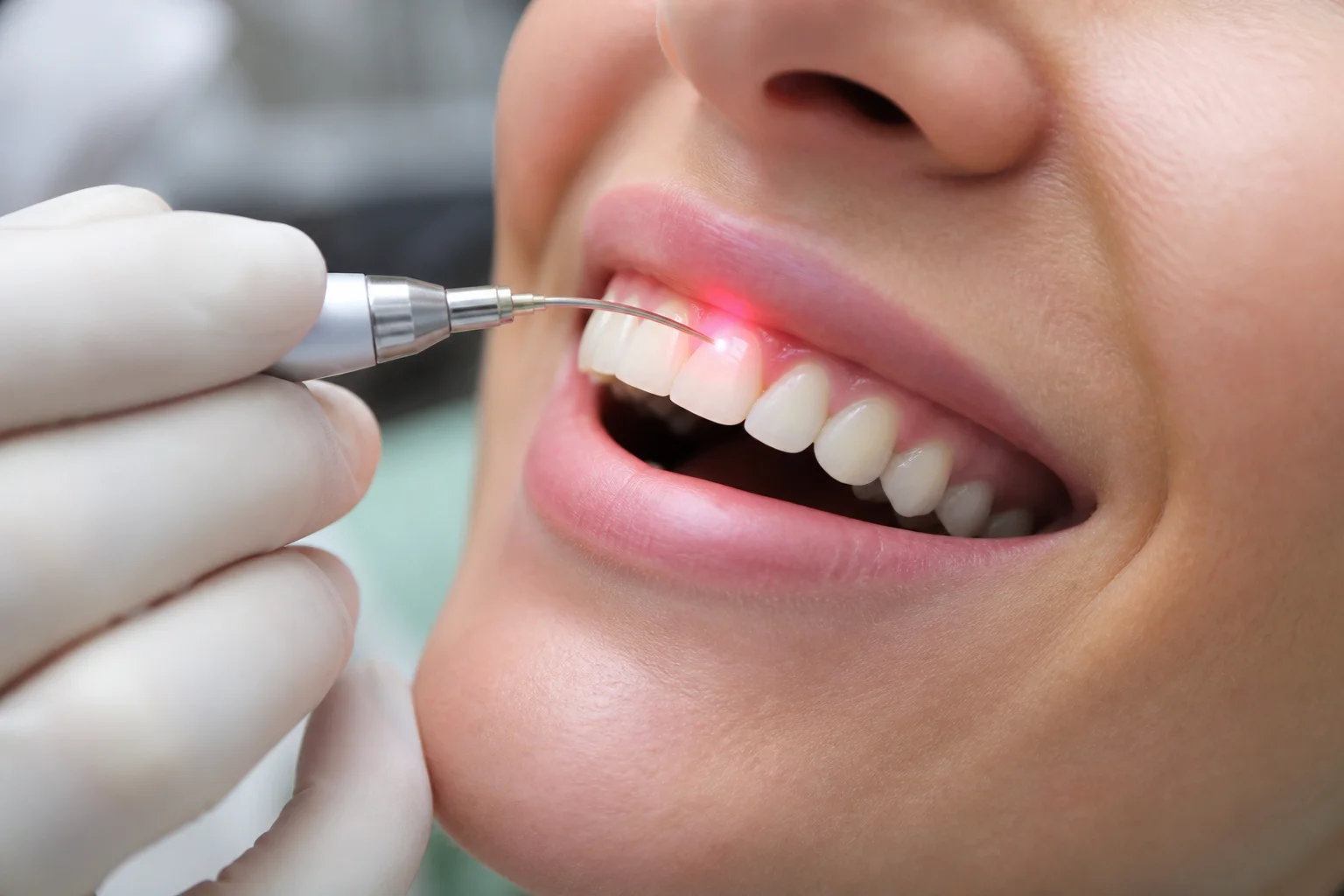
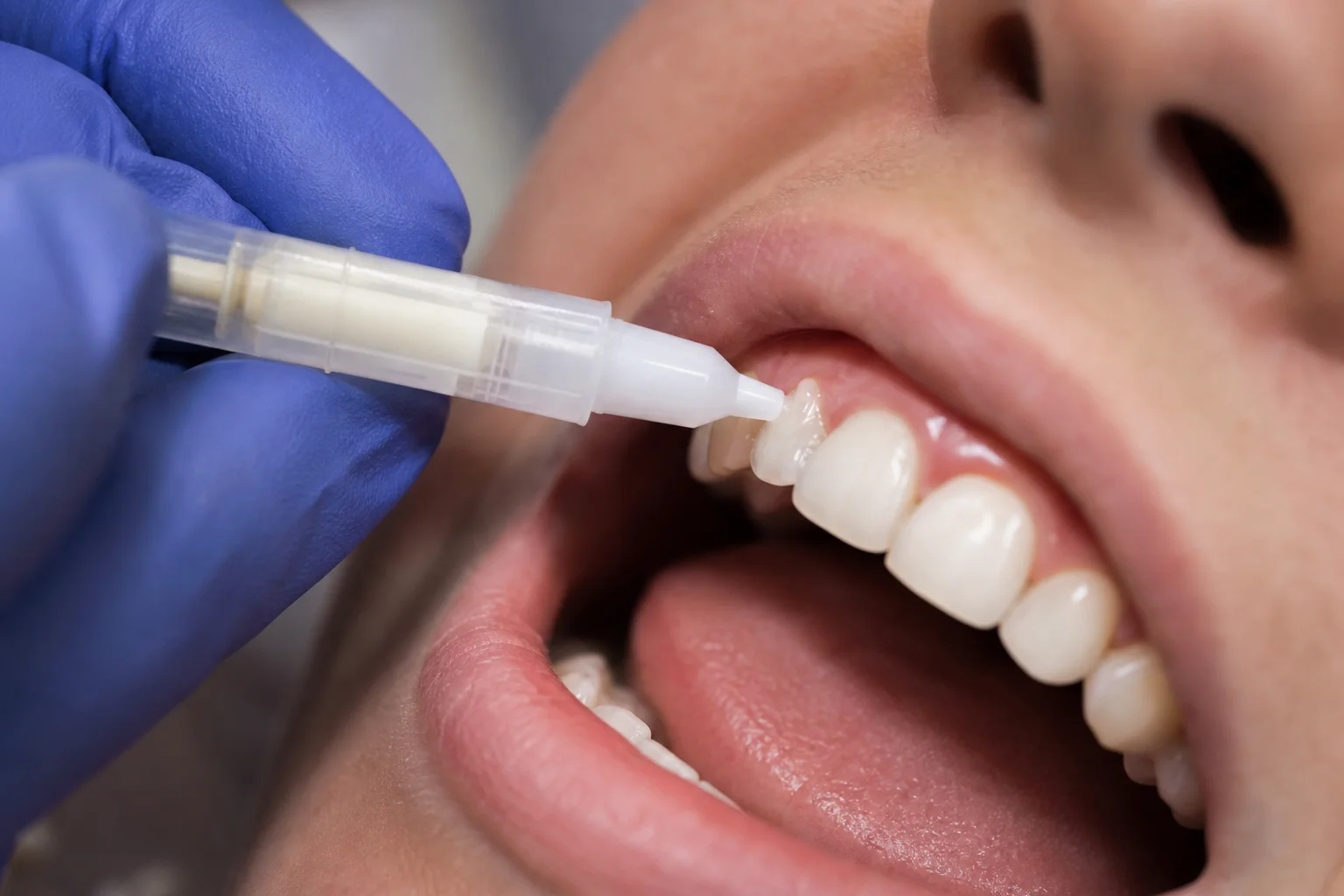
Surgical Periodontal Therapy
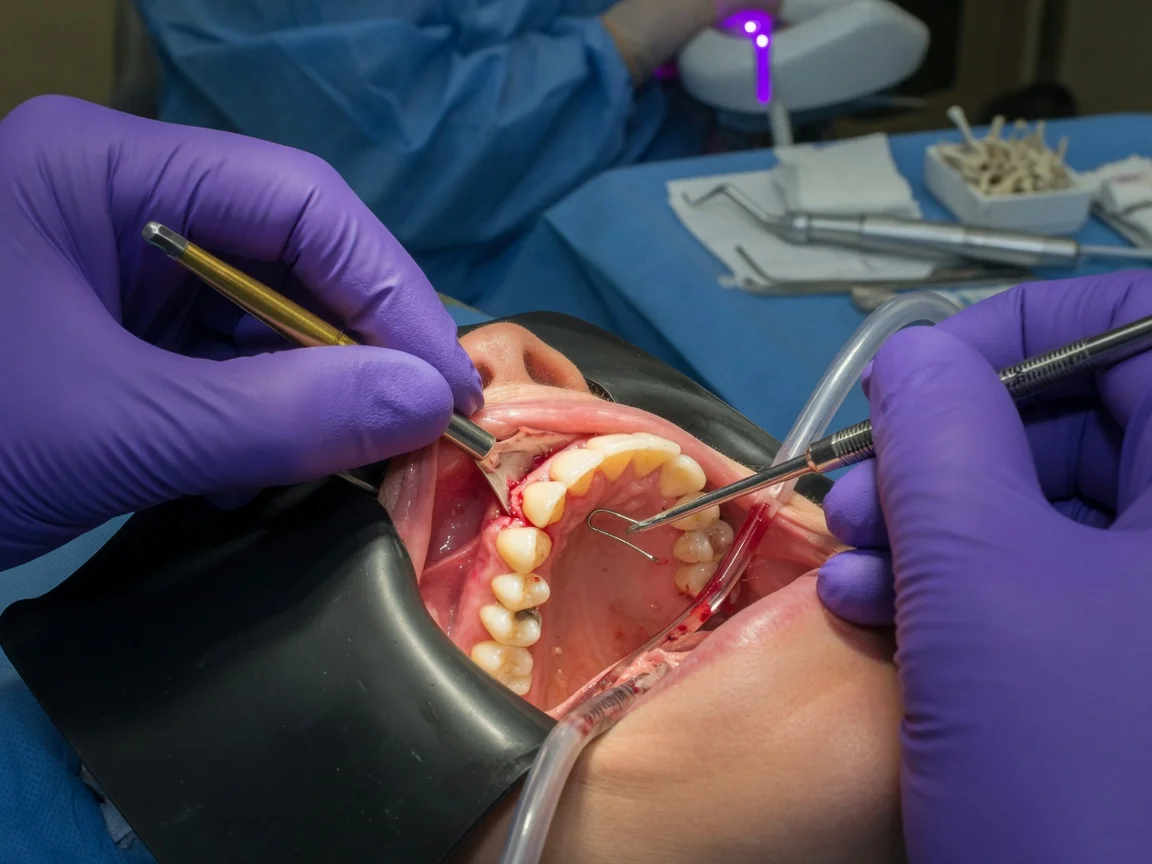
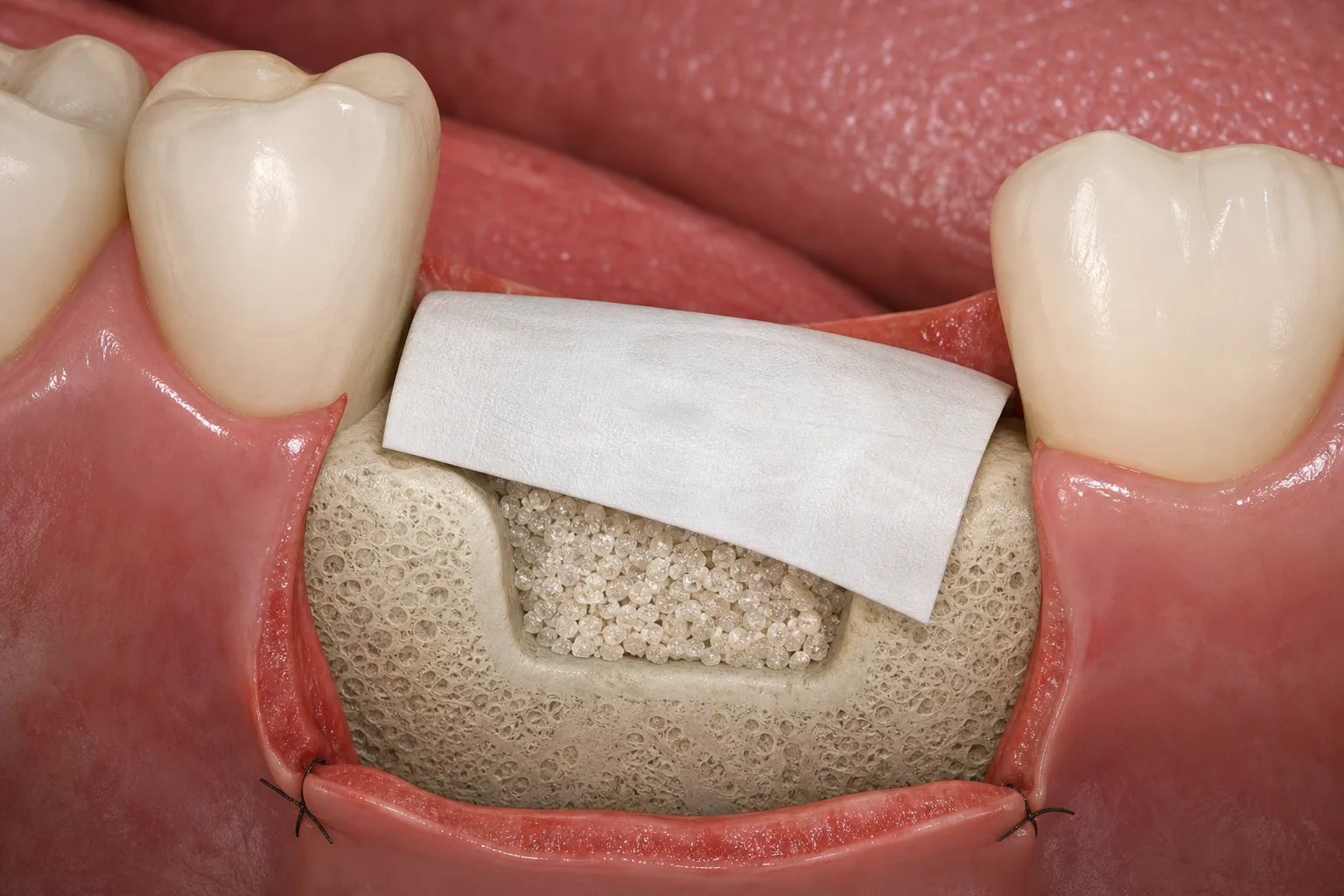
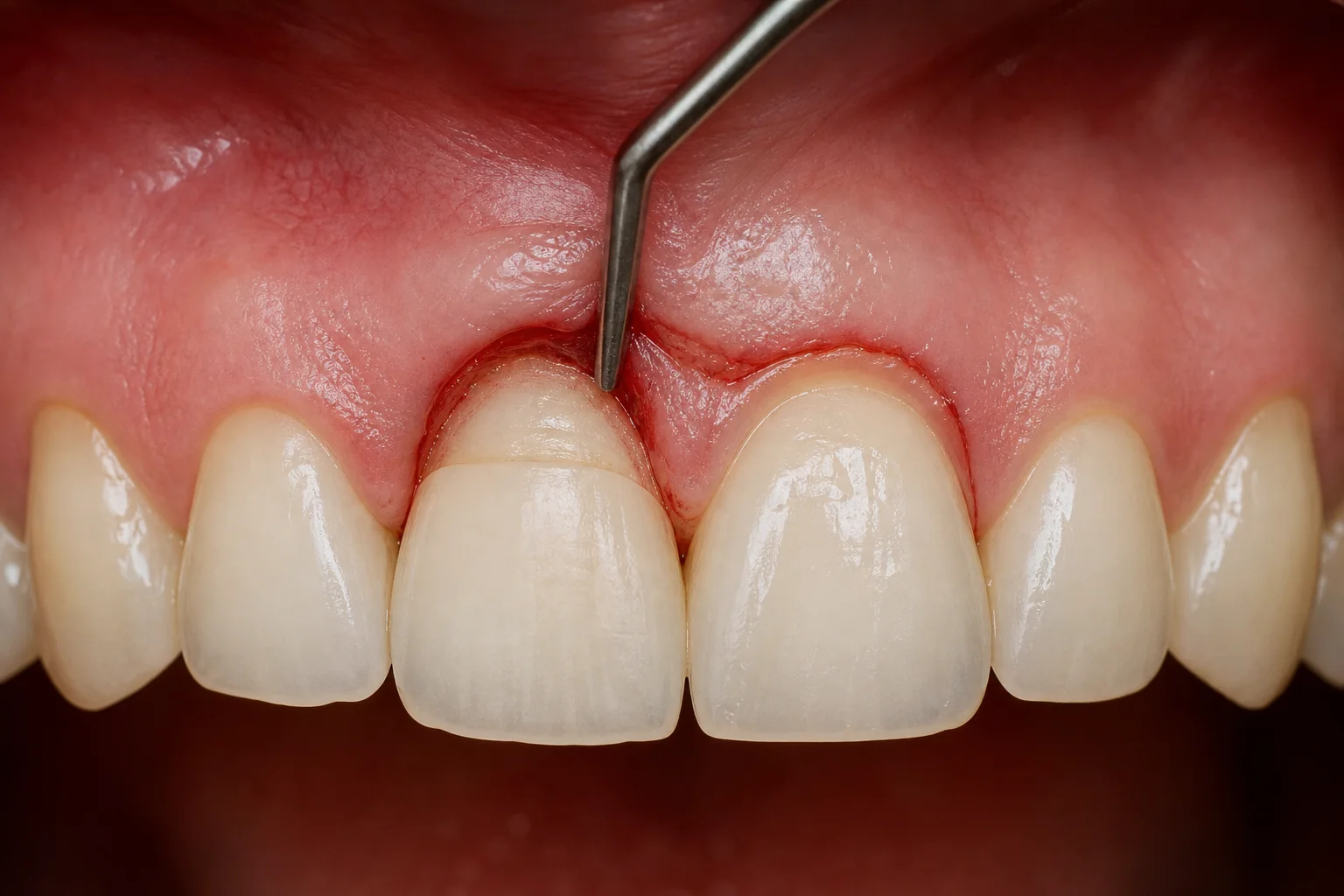
Gum Grafting & Soft Tissue Procedures
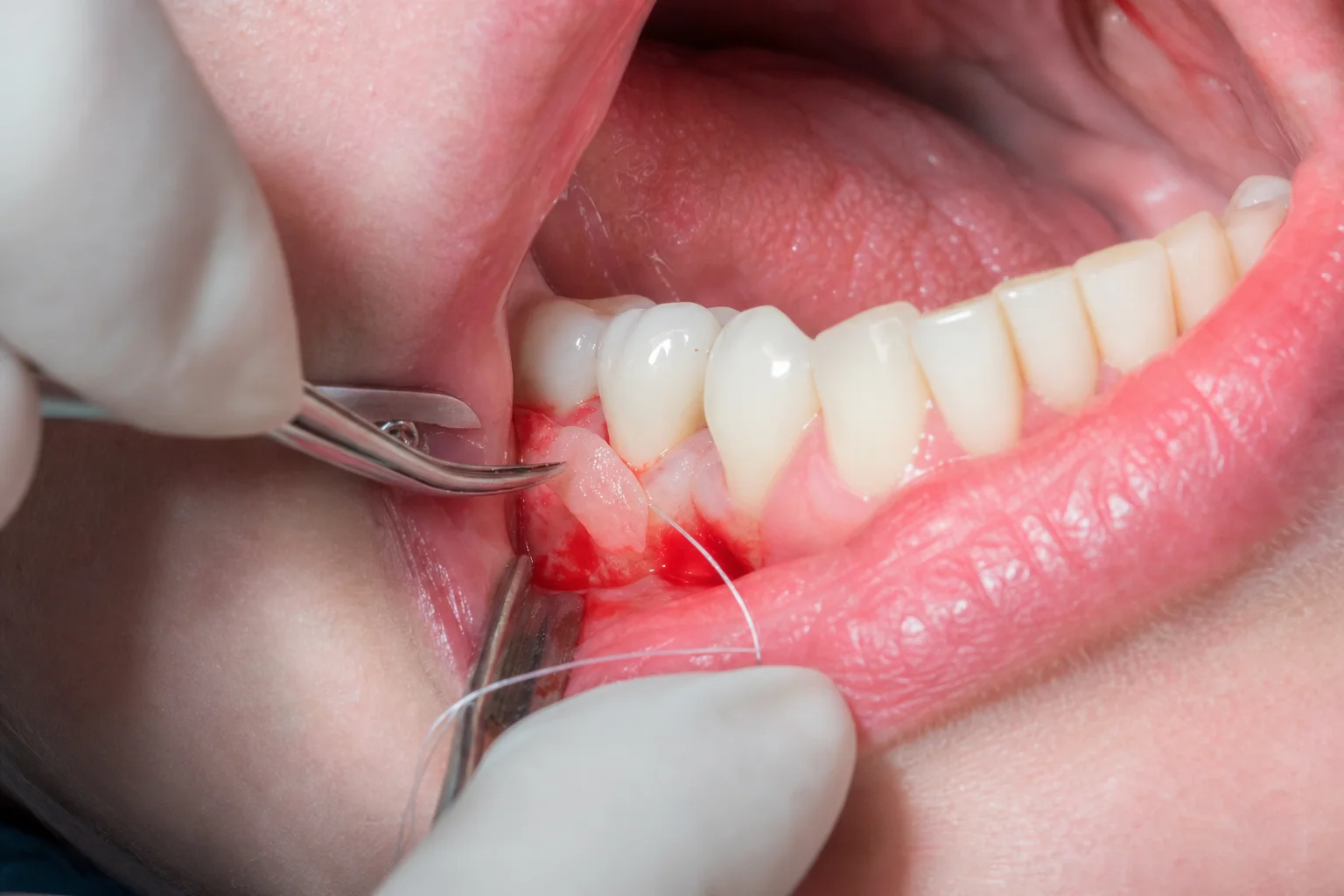
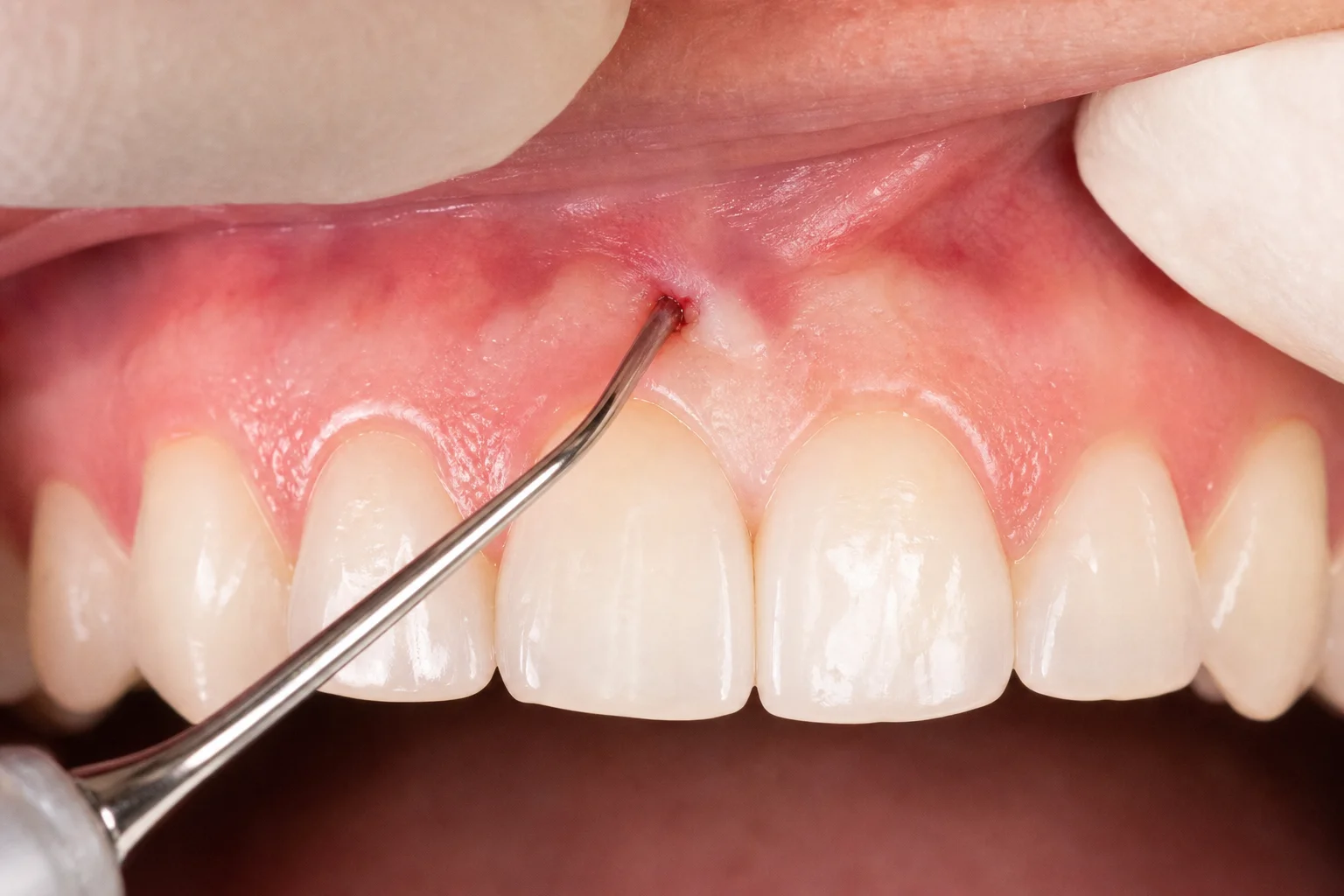
Dental Extractions
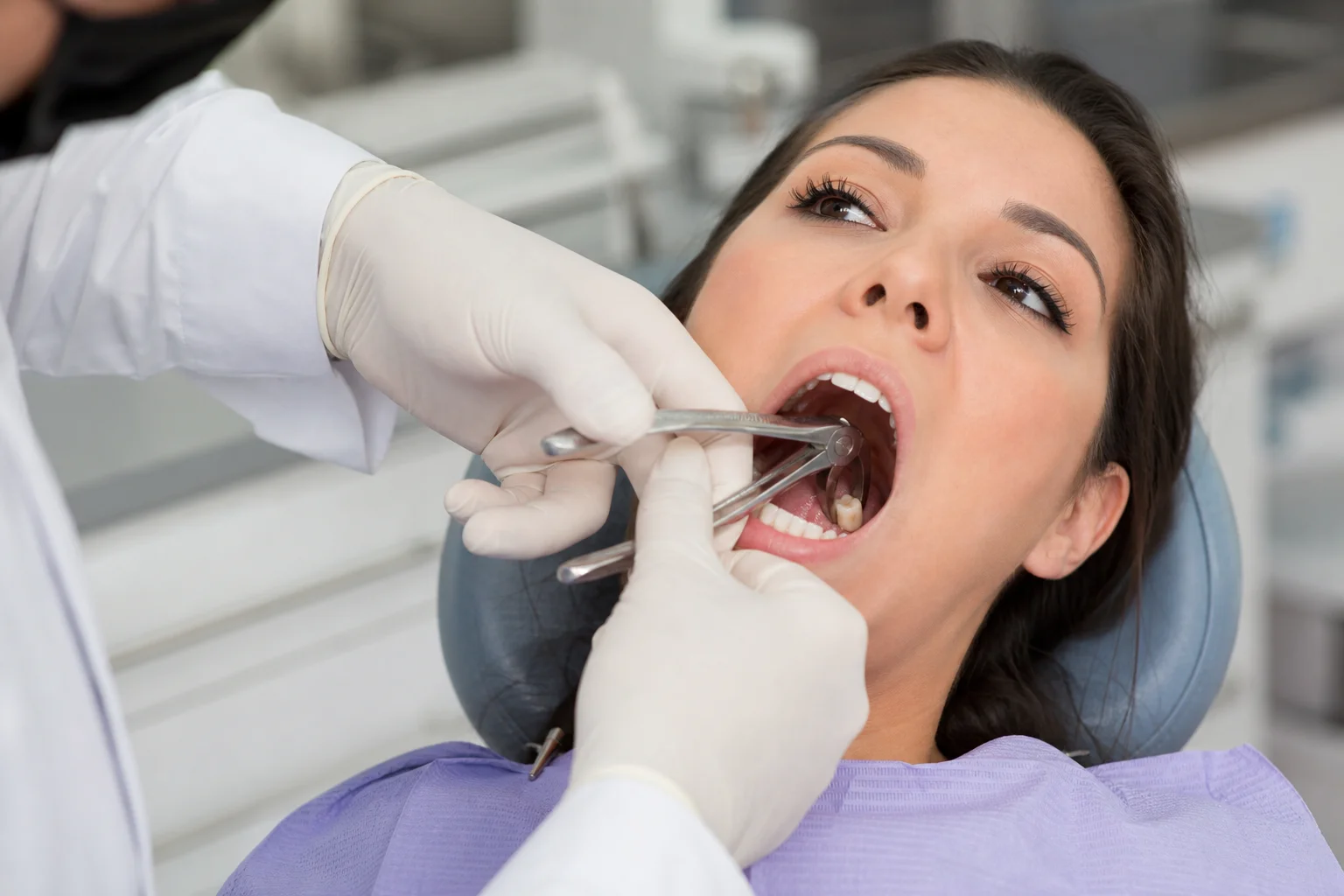
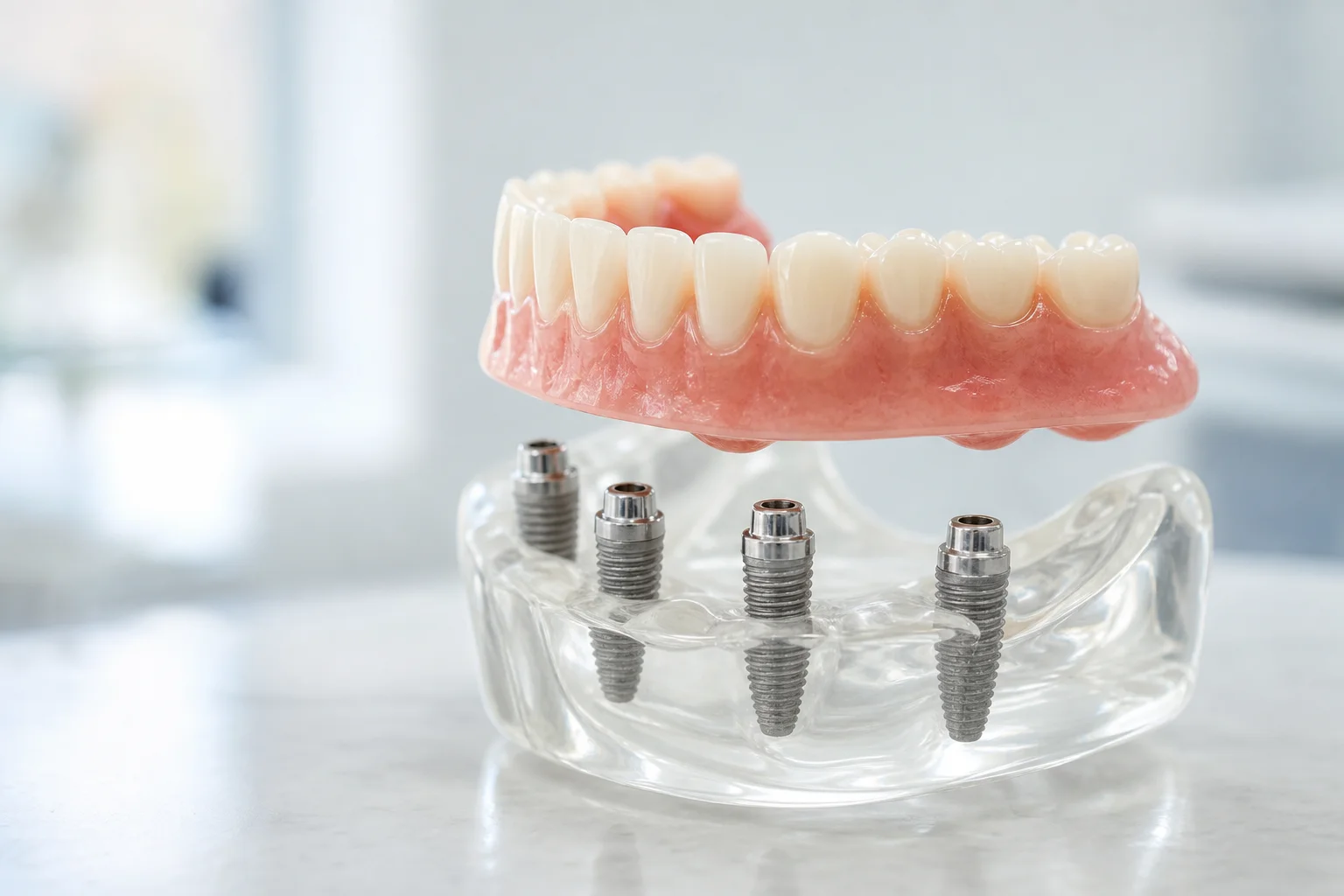
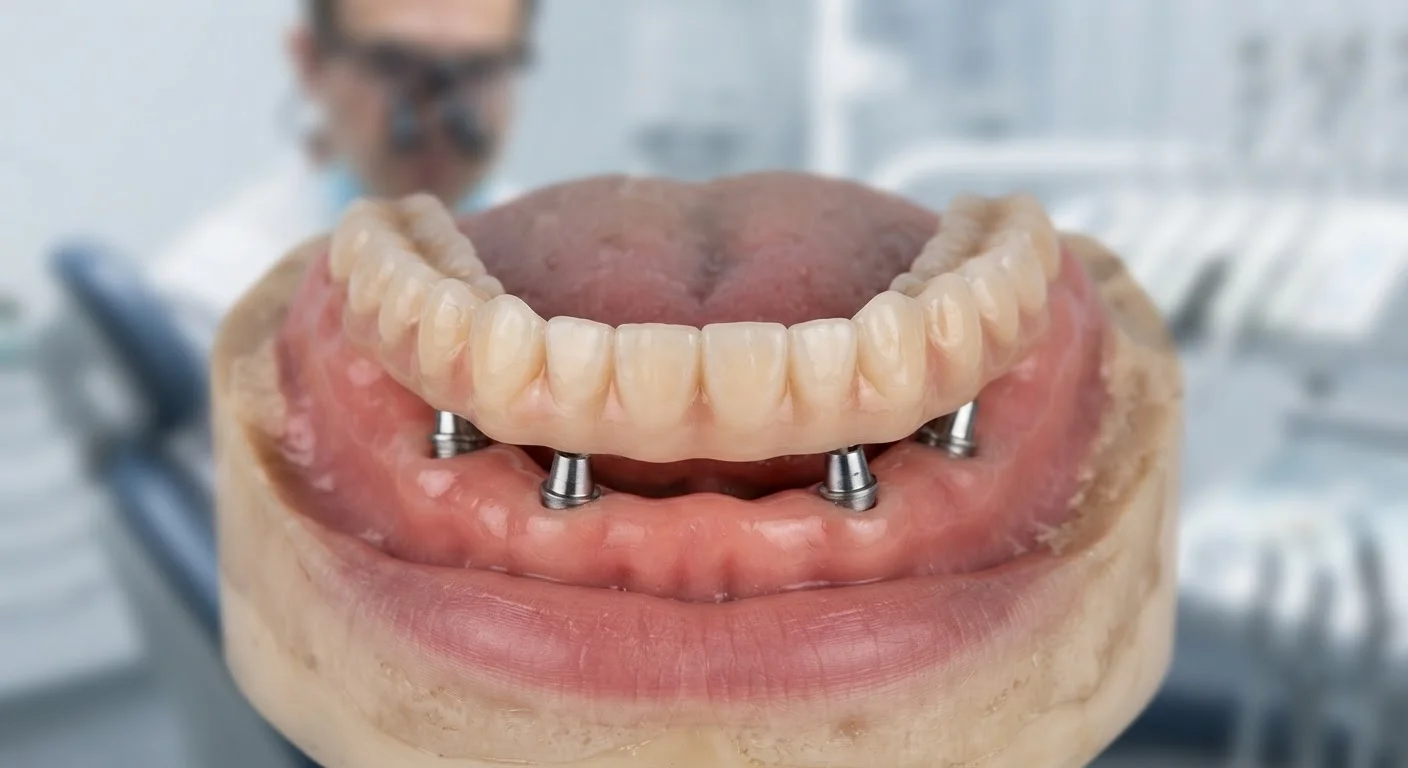
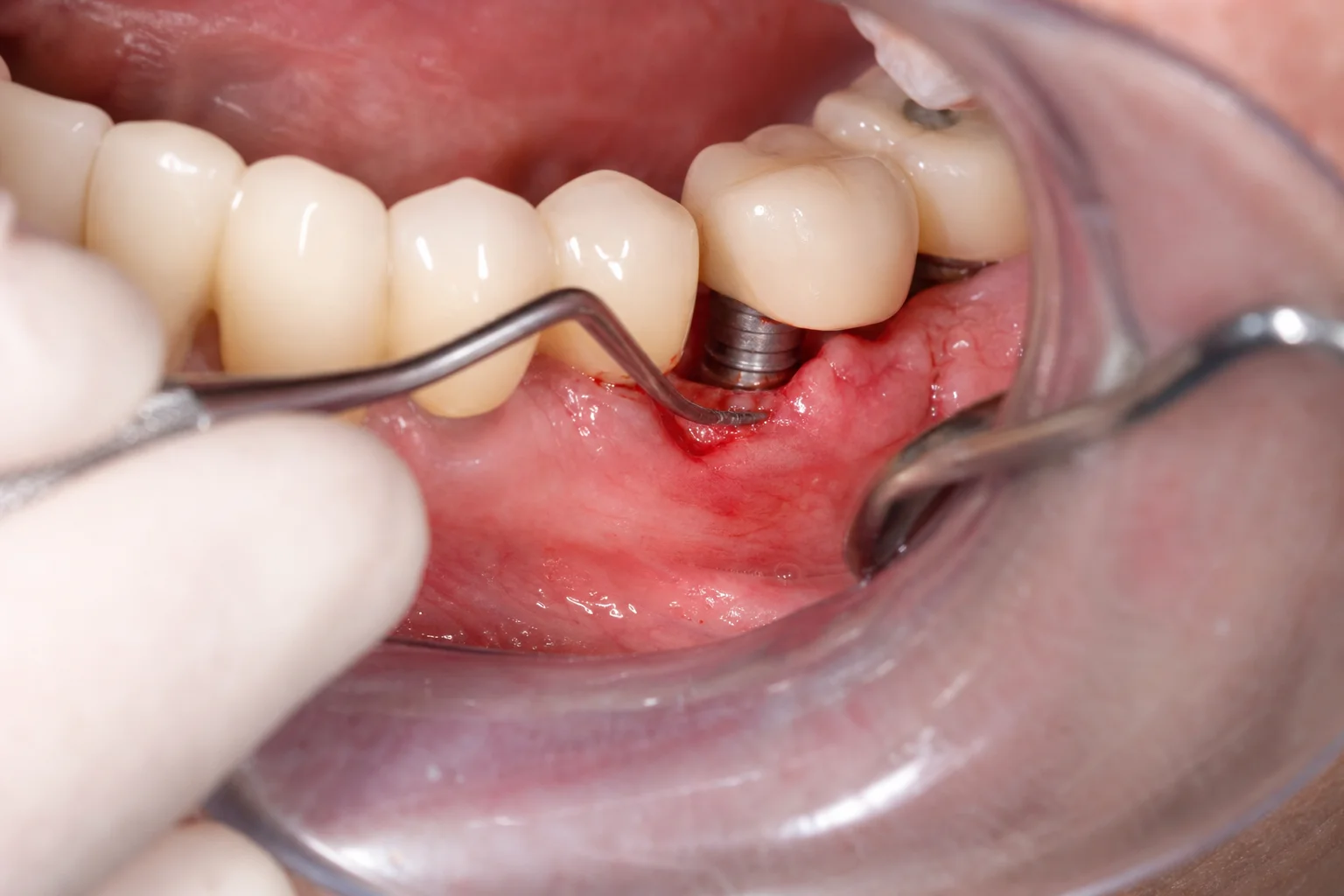
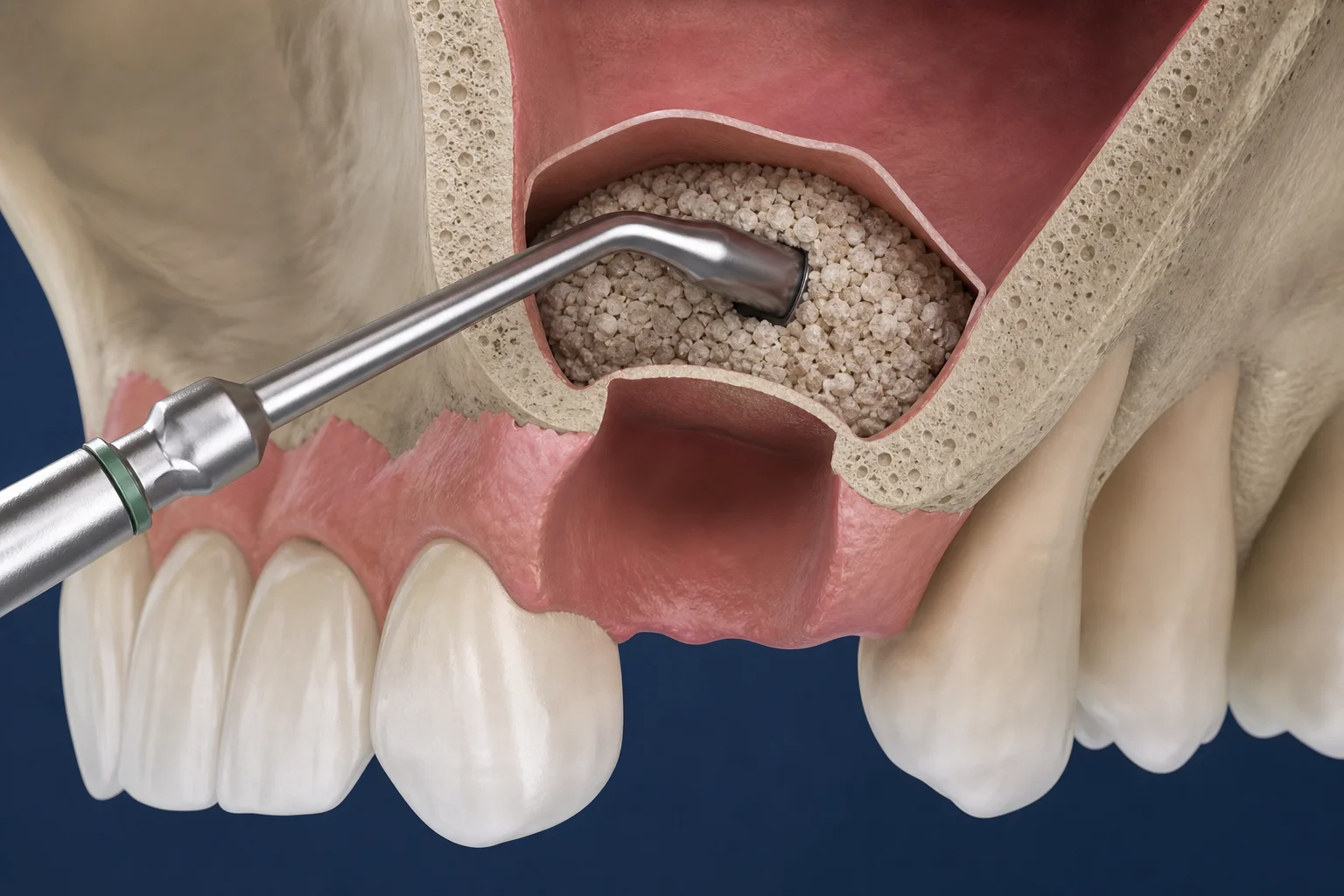
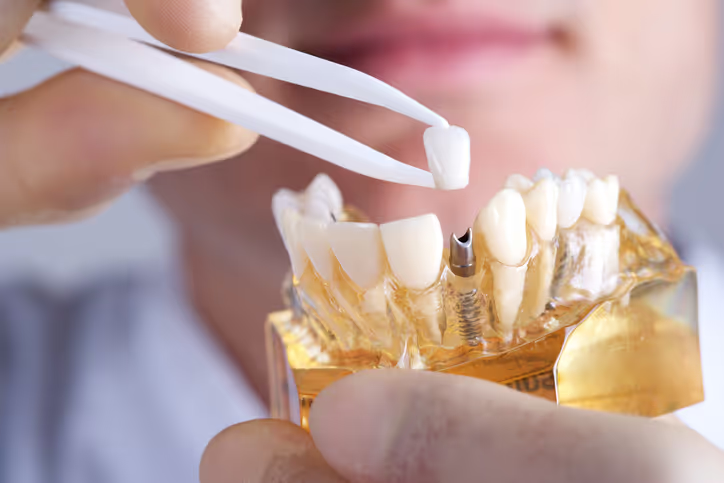
Dental Implants & Implant-Related Surgeries
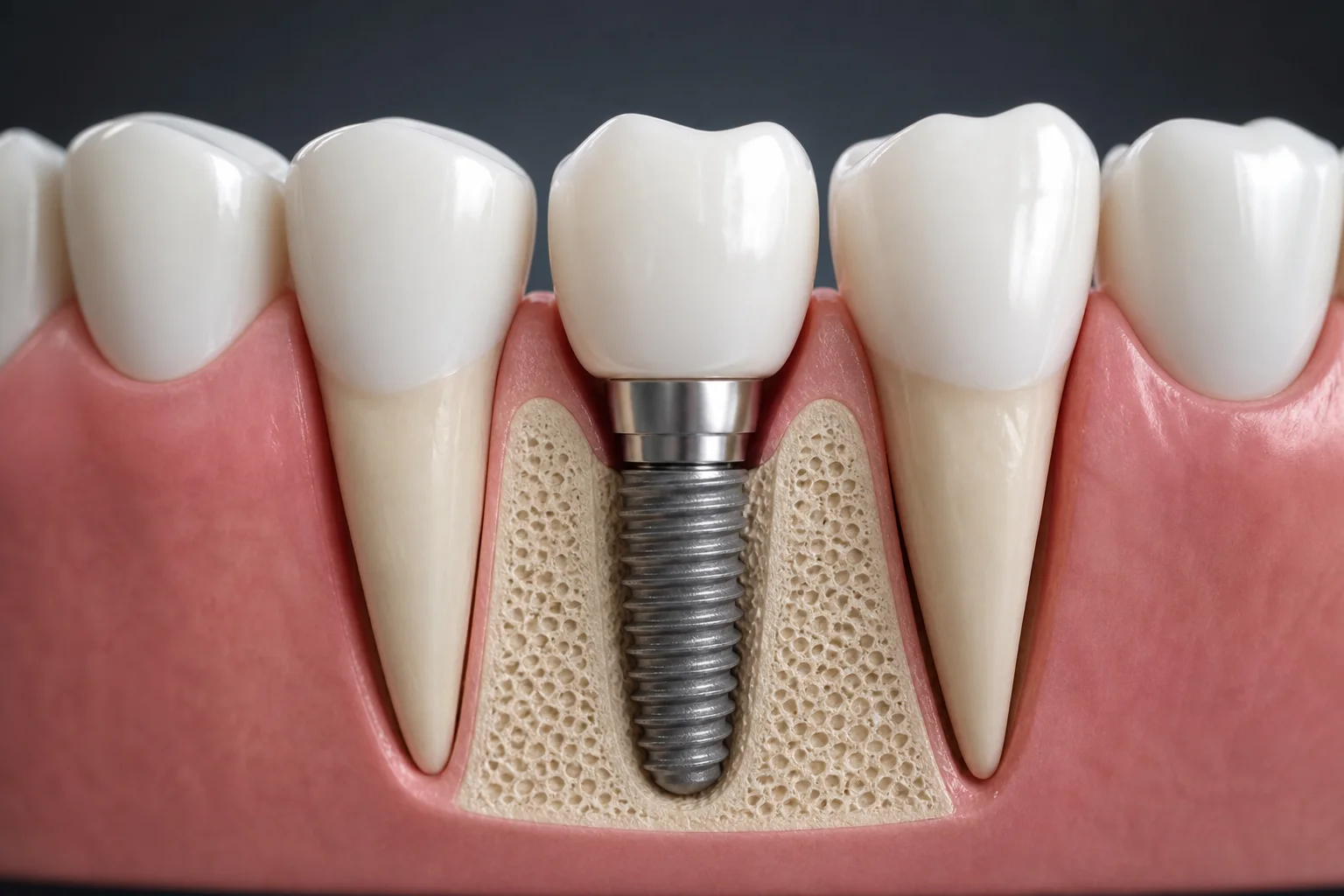
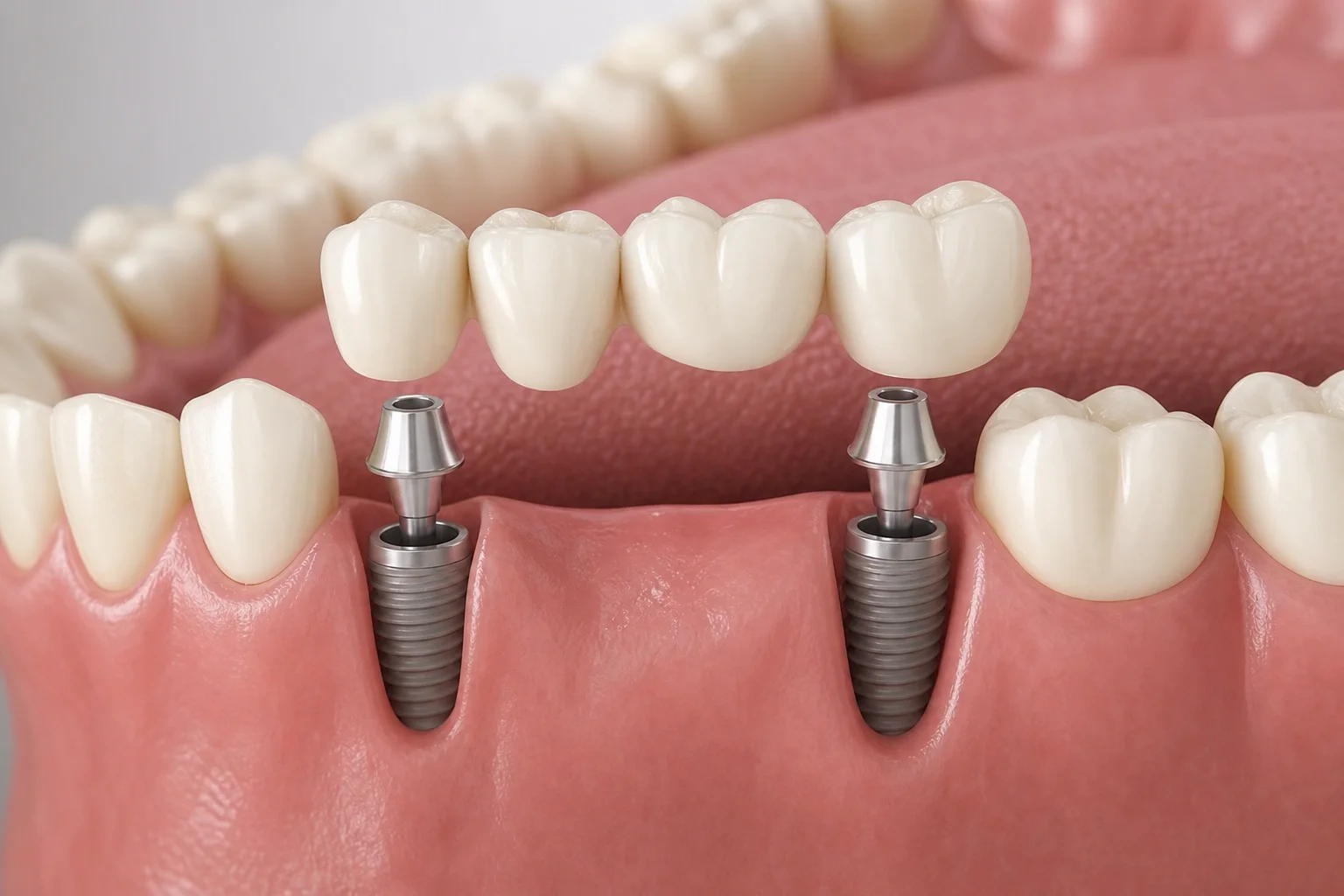
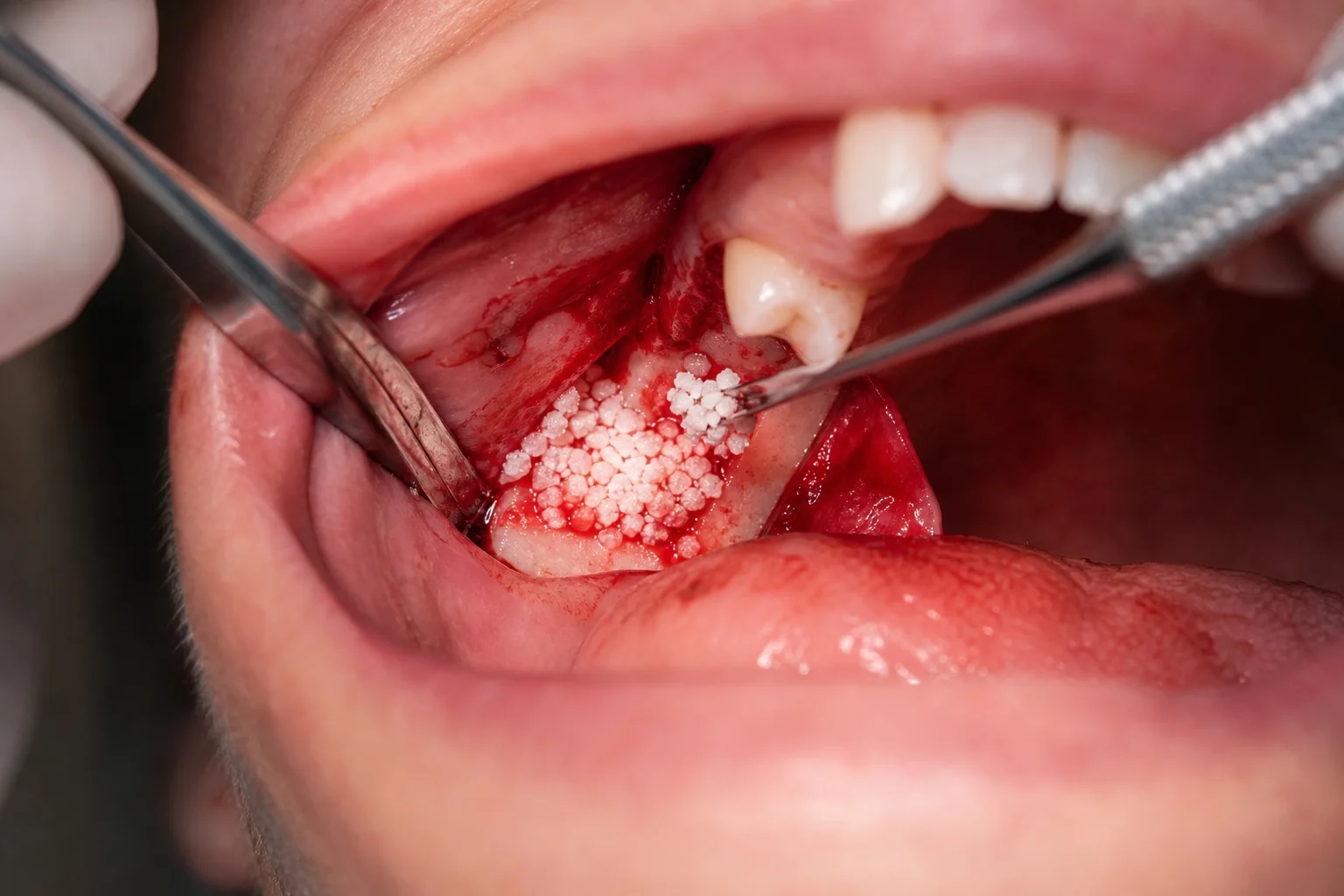
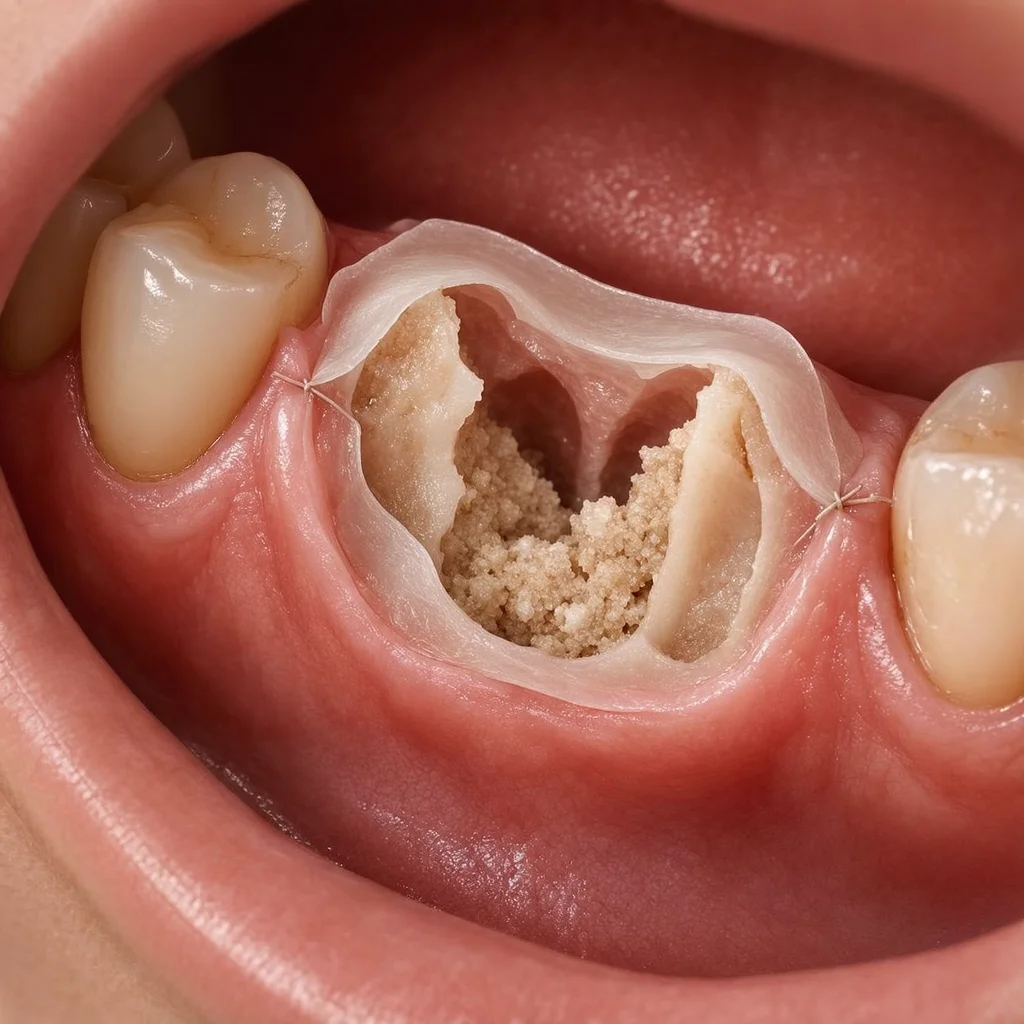
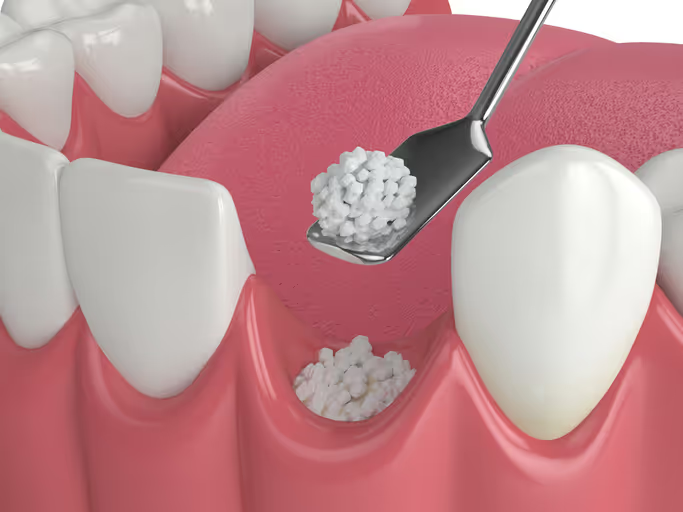
Bone Grafting & Ridge Preservation
Other Periodontal Services
Meet Our Periodontist

Dr. Chandrasekaran earned her Certificate in Periodontology and Master of Oral Sciences from the University of Illinois at Chicago after completing a Master of Biomedical Sciences at the Medical University of South Carolina and her Bachelor of Dental Surgery in India. She is a Diplomate of the American Board of Periodontology and is board certified in Periodontology and Dental Implant Surgery.
In addition to caring for patients, Dr. Chandrasekaran serves as Chair of the Division of Periodontics and Graduate Periodontics Program Director at the University of Colorado School of Dental Medicine, where she educates the next generation of periodontists and leads innovations in periodontal education. Her commitment to excellence in teaching and leadership has earned her numerous national recognitions from the American Academy of Periodontology and the American Dental Education Association.
Dr. Chandrasekaran has authored numerous scientific publications, participated in federally funded research, and is an invited speaker at national and international conferences. Her research focuses on the relationship between periodontal health and systemic diseases, including diabetes and cardiovascular disease, allowing her to provide patients with treatment that reflects the latest advances in periodontal science.
Known for her gentle approach and attention to detail, Dr. Chandrasekaran believes that every patient deserves personalized care tailored to their individual needs and goals. She takes the time to educate patients about their oral health, ensuring they feel informed and comfortable throughout every stage of treatment.
Whether you need advanced periodontal therapy, dental implants, or preventive gum care, Dr. Chandrasekaran is committed to delivering exceptional results using the latest technology and evidence-based techniques.
Insurance & CareCredit↗
We are in-network with Delta Dental Premier, but we are out of network with other insurance companies. We work with them and will gladly submit your paperwork for an out-of-network reimbursement claim on your behalf.
Our Technology
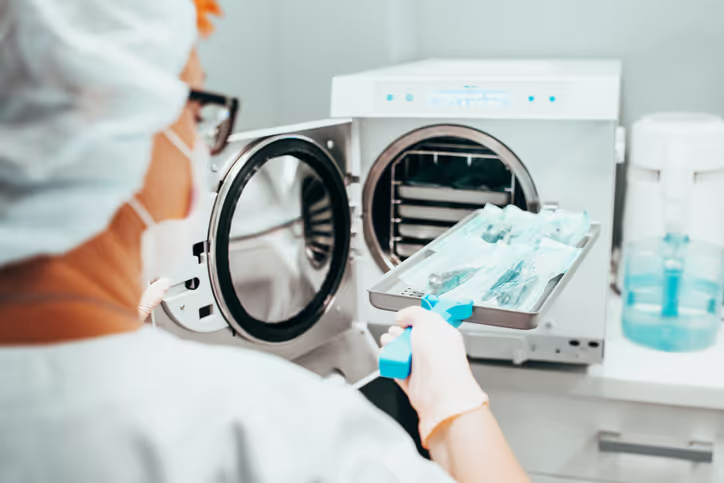
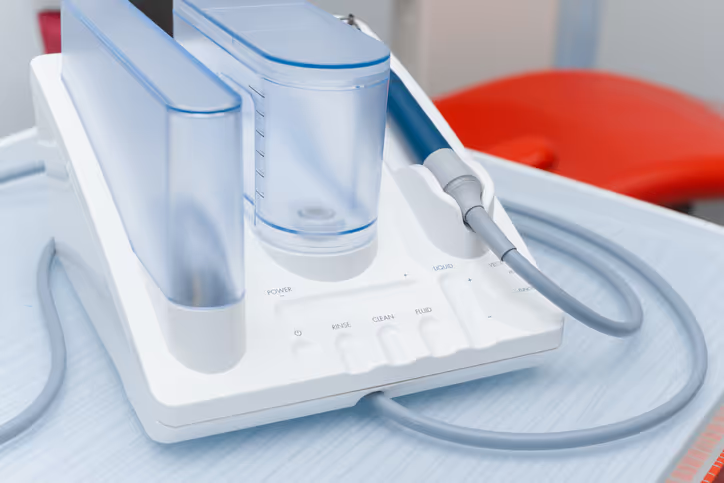
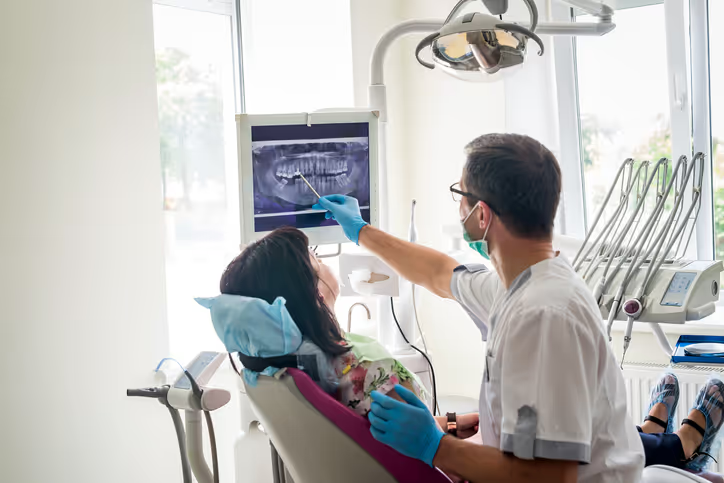
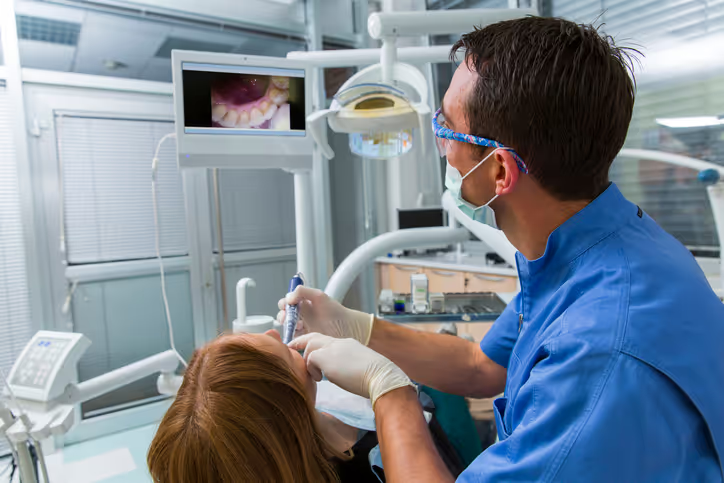
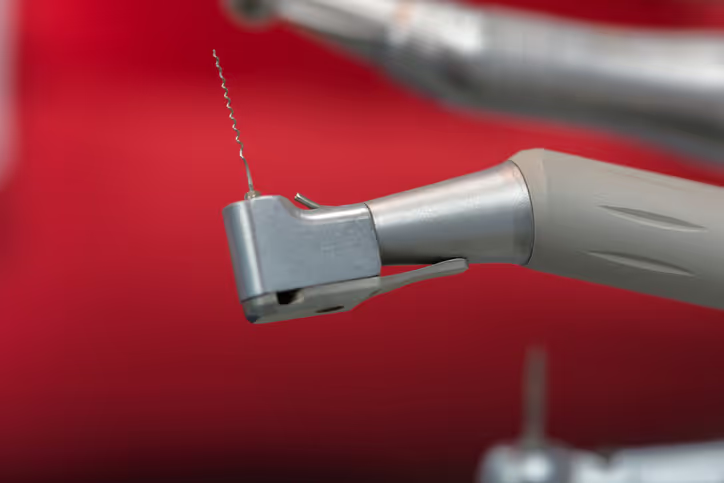
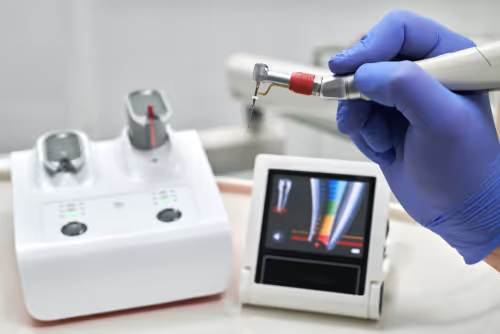
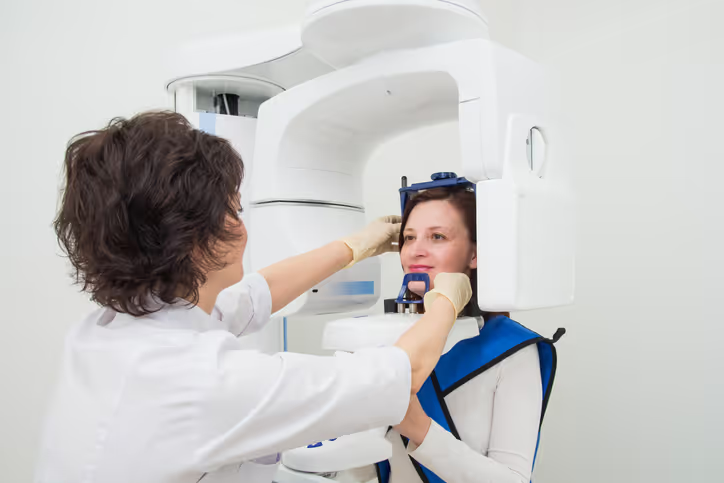
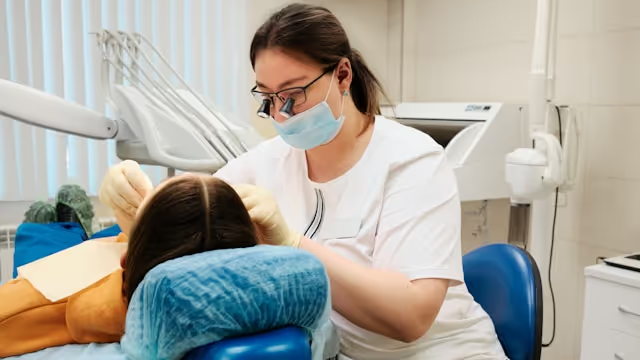
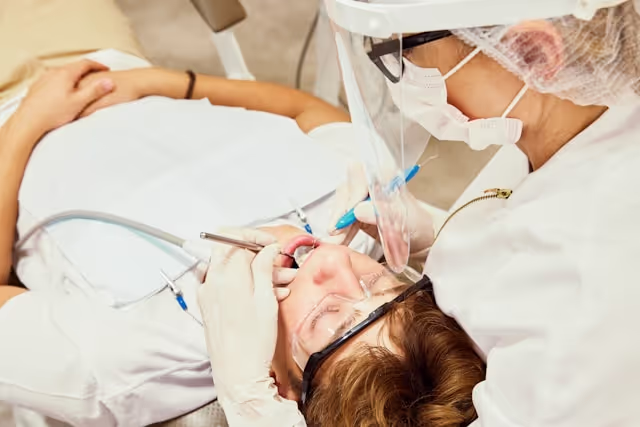
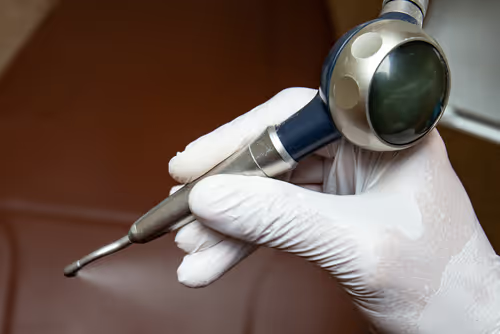
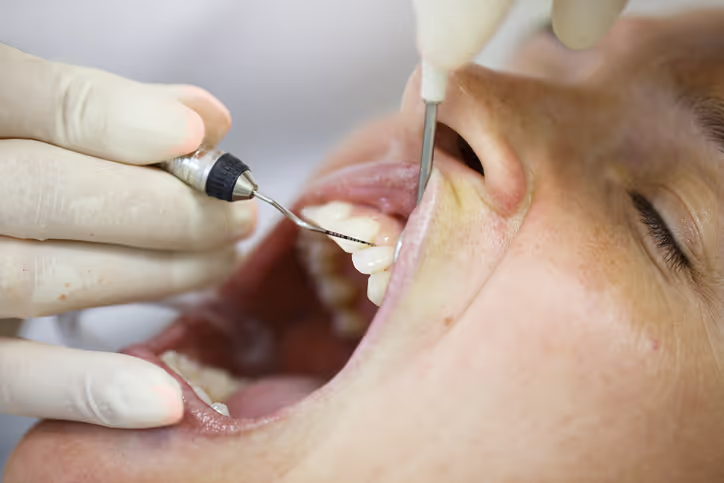
What makes us different?
Patient Resources



From Our Blog

FAQs

A periodontist is a dentist who has completed an additional three years of specialized training beyond dental school, focused on preventing, diagnosing, and treating gum disease as well as placing dental implants. Periodontists are also experts in treating oral inflammation and performing procedures like gum grafting and bone grafting.
Your general dentist may refer you to a periodontist if you have advanced gum disease, receding gums, are considering dental implants, or need specialized surgical care. Periodontists have advanced training and tools to treat these conditions more effectively and can help preserve teeth that might otherwise be lost.
No referral is required. While many patients come to us on a referral from their general dentist, you're welcome to schedule a consultation directly if you have concerns about your gums or are interested in dental implants.
Most patients should have a periodontal evaluation at least once a year, even without symptoms. If you have a history of gum disease or dental implants, more frequent visits, often every three to four months, are usually recommended to keep your gums healthy and catch any issues early.
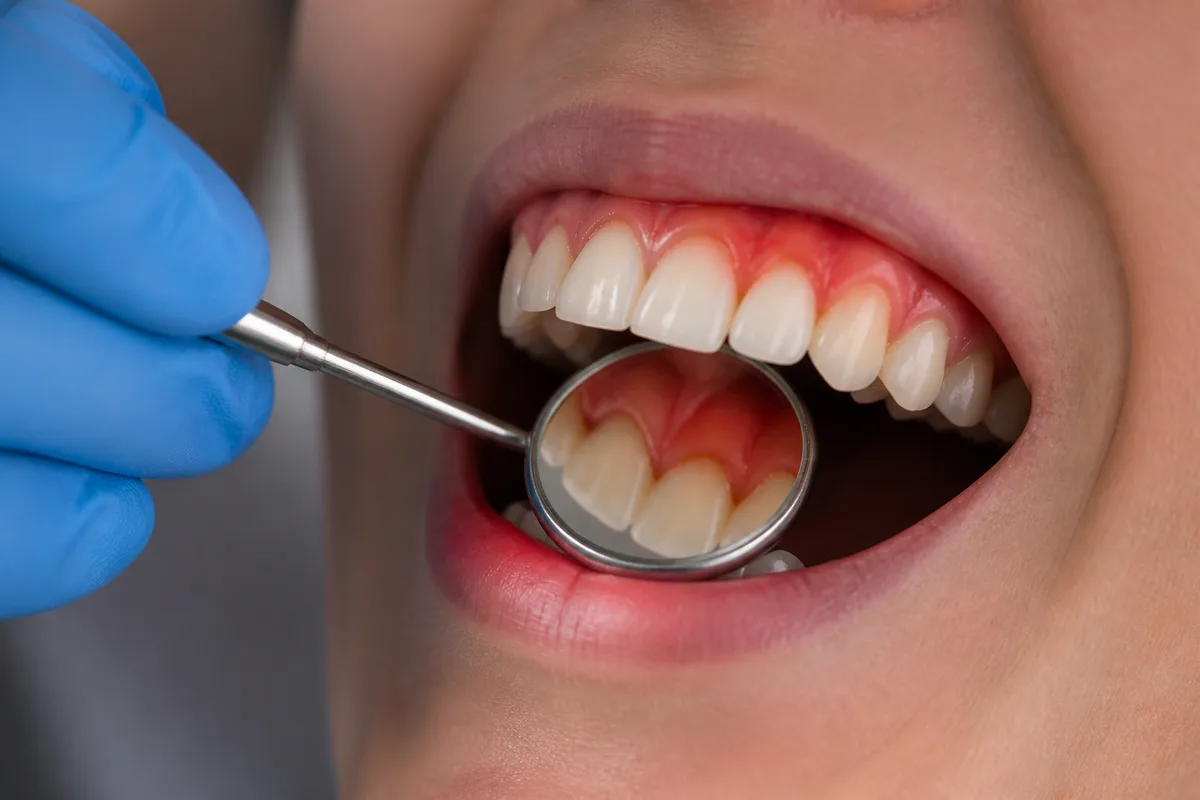
Signs of gum disease include red, swollen, or tender gums, bleeding while brushing or flossing, persistent bad breath, receding gums, and loose or shifting teeth. If you notice any of these symptoms, schedule an appointment with your dentist.
The earliest stage of gum disease, gingivitis, can often be reversed with a thorough professional cleaning and improved home care. More advanced periodontal disease can't be fully reversed, but it can be effectively managed and stabilized with treatments like scaling and root planing, laser therapy, or surgery to prevent further damage.
Most healthy adults with adequate jawbone density are good candidates for dental implants. Gum health, bone volume, and certain medical conditions can affect candidacy, which is why we start with a comprehensive exam and imaging. If you don't currently have enough bone, procedures like bone grafting can often make implants possible.
Implant placement is performed under local anesthesia, with sedation options available, so you shouldn't feel pain during the procedure. Most patients report mild soreness or swelling for a few days afterward, which is typically well managed with over-the-counter or prescribed pain medication.
Dental implants have a success rate of around 95-98% when placed and cared for properly. Success depends on factors like bone quality, oral hygiene, and overall health, which is why we carefully evaluate each patient beforehand and provide detailed guidance on aftercare.
A bone graft rebuilds areas of the jaw that have lost density or volume, often due to tooth loss, gum disease, or injury. Adequate bone is essential to securely support a dental implant, so grafting is sometimes recommended before or during implant placement to ensure a stable, long-lasting result.
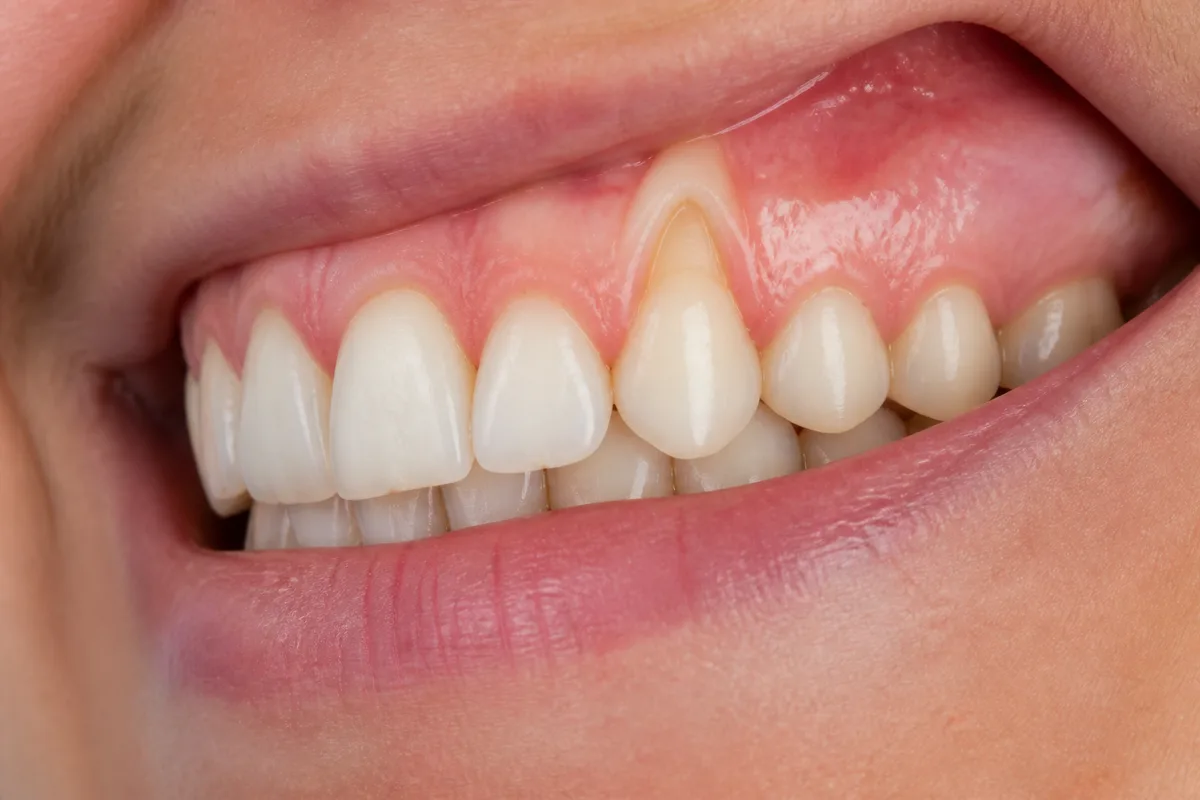
Gum recession can be caused by several factors, including periodontal disease, aggressive brushing, teeth grinding, tobacco use, genetics, or misaligned teeth. Receding gums expose more of the tooth root, which can lead to sensitivity and a higher risk of decay, so it's important to have it evaluated.
Gum grafting is a procedure that restores gum tissue in areas where it has receded or thinned. Tissue is taken from another part of the mouth or a donor source and attached to the affected area, protecting exposed roots, reducing sensitivity, and improving both the health and appearance of your smile.
Yes, most gum surgeries are performed under local anesthesia while you remain fully awake and comfortable. For patients who feel anxious, we also offer sedation options to help you relax throughout the procedure.
Mild swelling, tenderness, and some sensitivity are normal for the first few days after gum surgery. We'll provide specific aftercare instructions, including a modified diet and oral hygiene routine, and follow up to monitor your healing. Most patients return to normal activities within a few days.
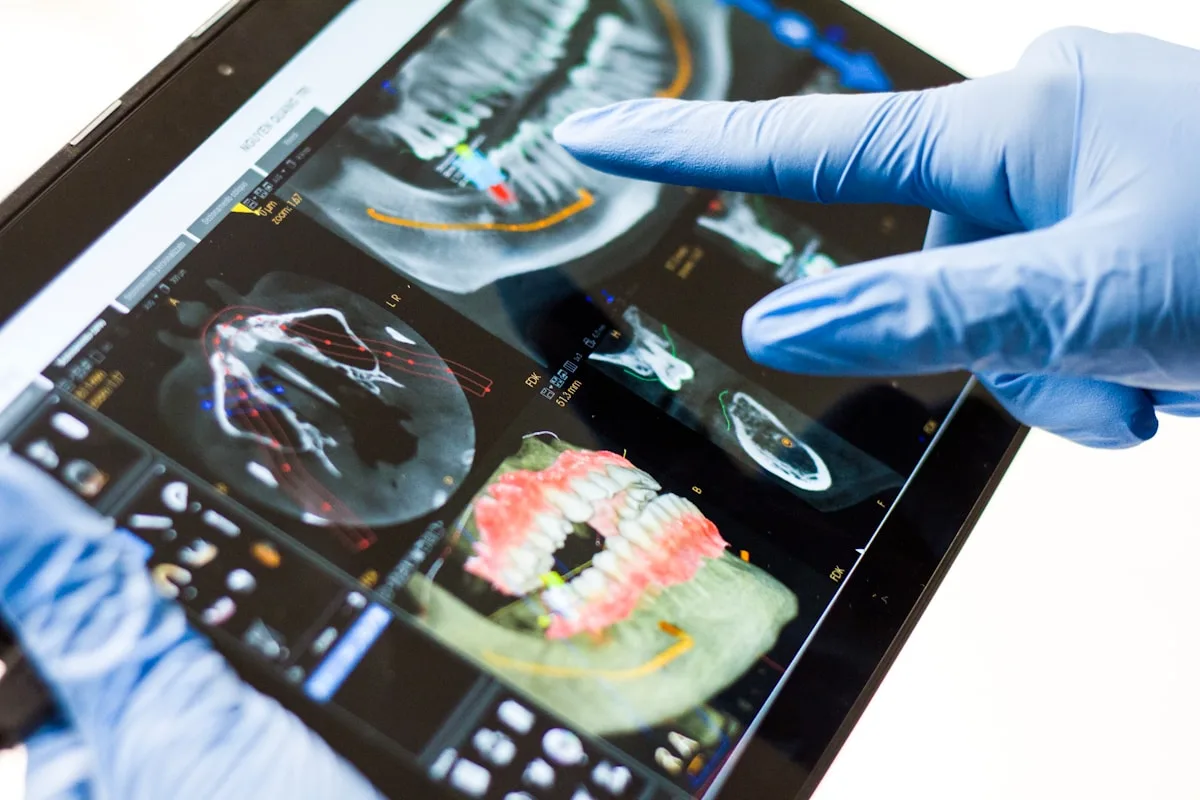
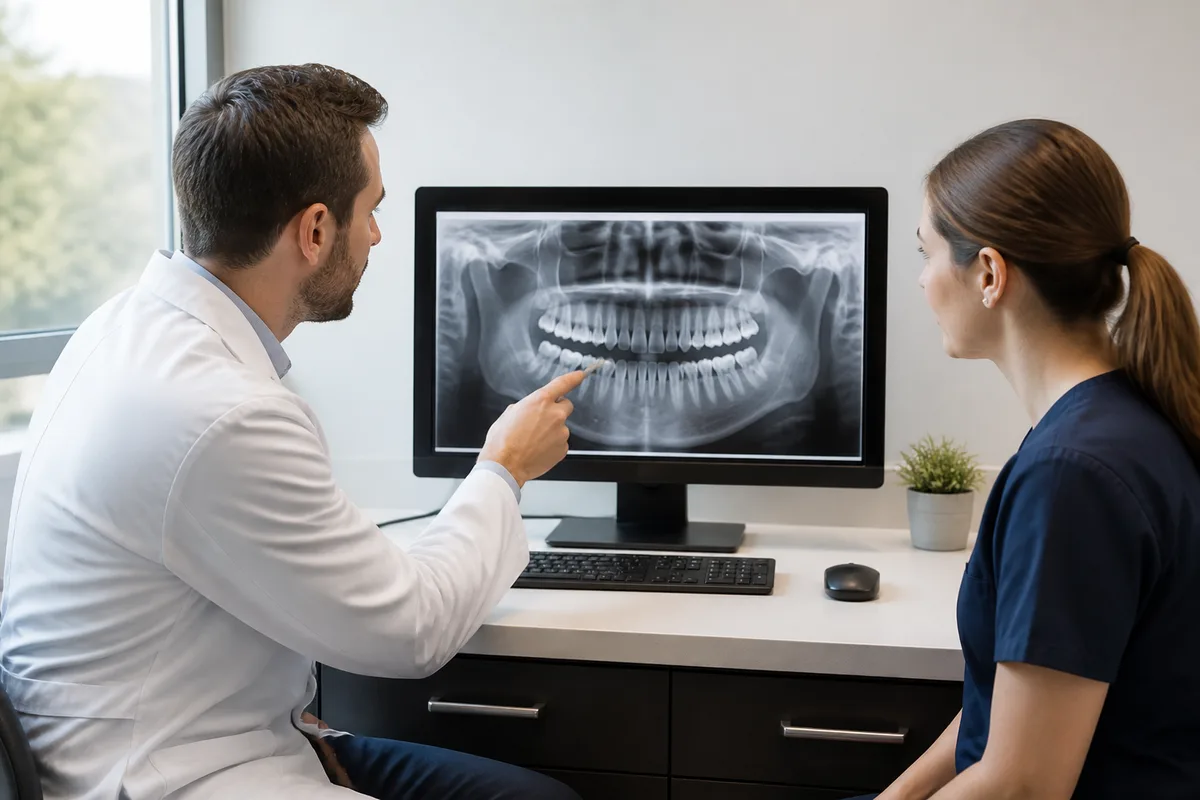
Your first visit includes a thorough review of your dental and medical history, a full periodontal exam to measure gum health and check for signs of disease, and any necessary digital X-rays or imaging. We'll discuss our findings with you and outline a personalized treatment plan.
Untreated gum disease can progress and destroy the bone and tissue that support your teeth, eventually causing teeth to loosen or fall out. It has also been linked to broader health issues, so early treatment is important for protecting both your smile and your overall health.
Yes. Research has linked periodontal disease to several systemic health conditions, including heart disease, diabetes, and respiratory issues, likely due to the inflammation and bacteria associated with gum infections. Maintaining healthy gums is an important part of your overall health, not just your smile.
Good oral hygiene, brushing twice daily, flossing or using an interdental brush around implants, and regular professional cleanings are key. Avoiding tobacco, managing conditions like diabetes, and keeping up with your recommended periodontal maintenance visits will help protect your gums and the long-term success of any dental implants.
